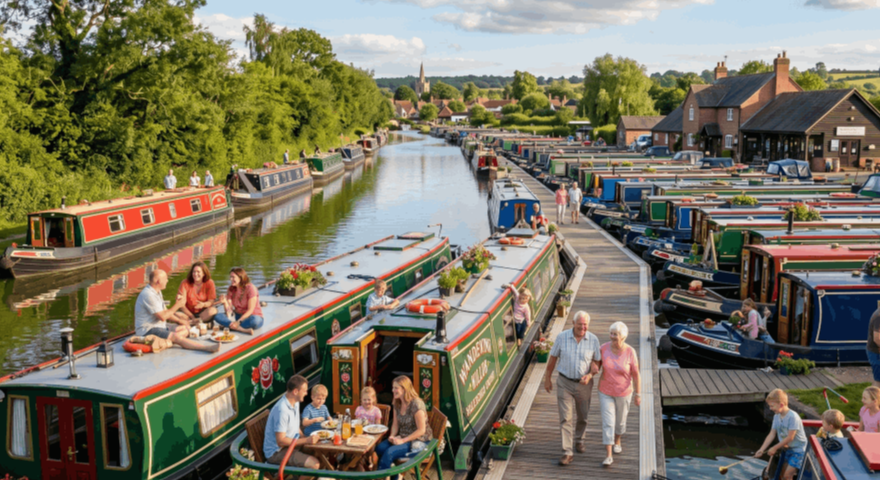
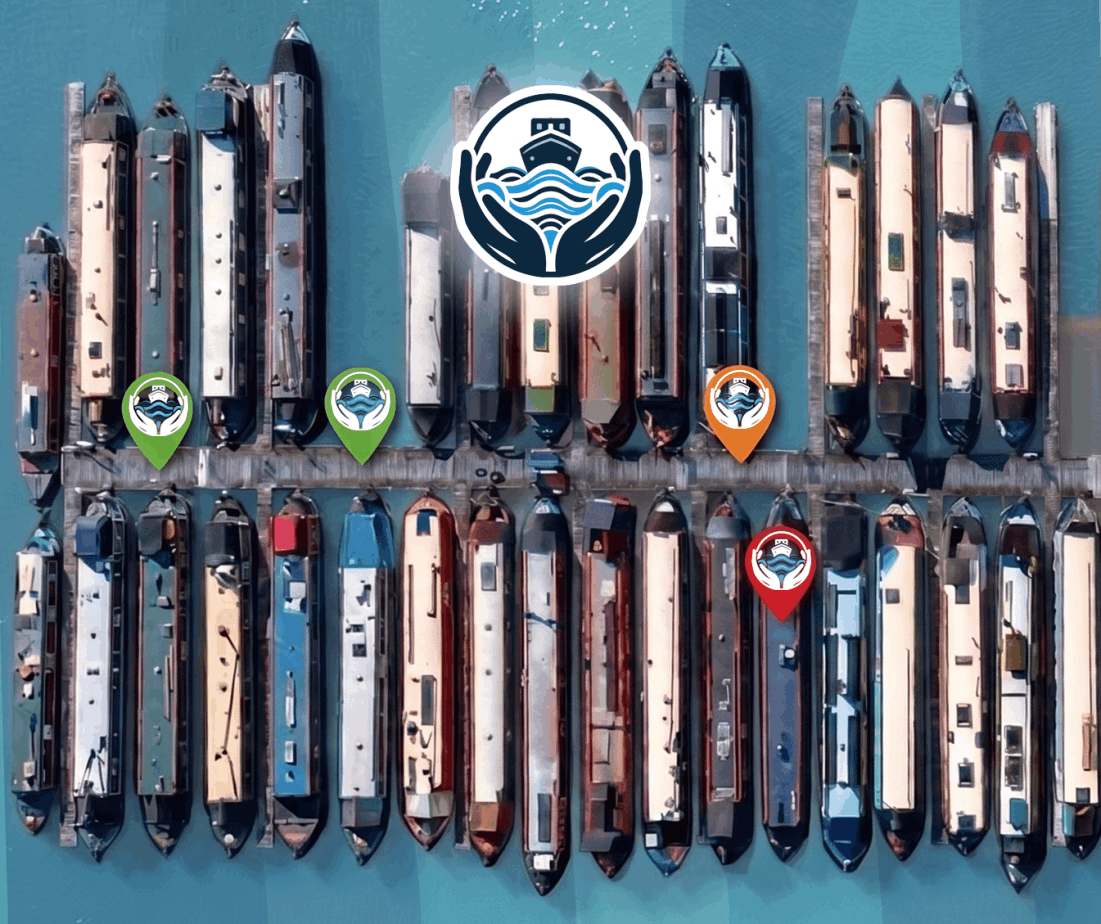
Mapping the marina involves systematically taking hull potential and redox measurements across various berths, pontoons, and fairways. This creates a detailed topographical overview of the underwater electrical and chemical environment. By establishing these baseline readings, SafeGuard Survey can identify specific 'hotspots' where galvanic activity is unusually high or water chemistry is altered. This approach provides a clear visual and data-driven map, allowing for targeted investigations rather than relying on reactive guesswork.
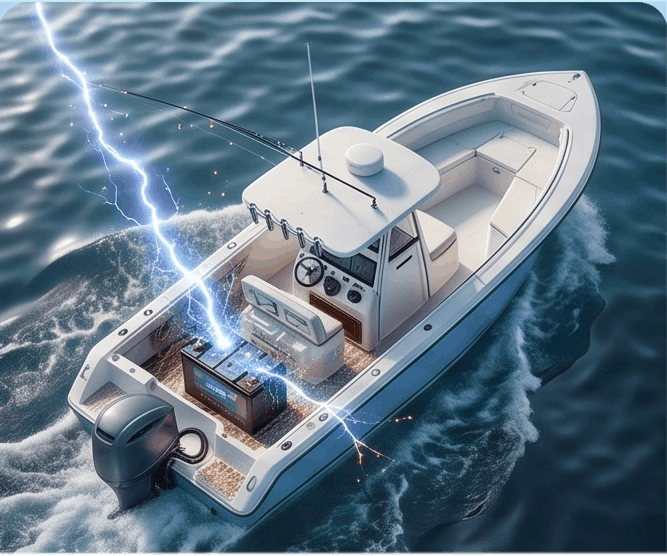
Accelerated corrosion is frequently localised, stemming from individual vessels rather than the marina's broader infrastructure. Thorough testing isolates boats that are actively emitting stray electrical currents. These emissions typically result from faulty onboard wiring, improper bonding, or degraded galvanic isolators. Identifying these specific vessels allows marina management to address the issue directly with the respective owner, thereby protecting adjacent boats and marina assets from sympathetic corrosion.
Stray Direct Current (DC) in the water is a primary driver of rapid, severe underwater metal loss. Testing specifically seeks out the presence and sources of stray DC, which can originate from compromised shore power connections, faulty battery chargers, or damaged underwater electrical cables. Detecting these stray currents early prevents significant and costly damage to vessel stern gear, outdrives, and submerged metallic marina infrastructure.
Corrosion disputes can lead to claims of negligence directed at the marina operator. Having regular, documented testing conducted by a third-party surveyor provides a verifiable data trail. This empirical evidence can clearly demonstrate whether the marina's infrastructure is electrically sound or if localised corrosion issues are the direct result of specific vessel faults. Maintaining this level of documentation provides a robust defence against unwarranted legal claims and liability disputes.
Hull degradation is a persistent challenge for vessels kept on permanent moorings. When accelerated corrosion becomes visible, it frequently leads to disputes, with liability often directed towards the marina management. However, the variables contributing to galvanic and electrolytic action are complex, often originating from neighbouring vessels or isolated electrical faults rather than the marina's infrastructure.
A proactive SafeGuard Survey utilises comprehensive Reduction-Oxidation (REDOX) testing to map the entire site, providing definitive, scientific evidence of the water's corrosive potential at every pontoon and individual berth.
Several distinct factors contribute to the accelerated loss of hull material in a marina environment:
Vessels equipped with fresh magnesium anodes may inadvertently protect adjacent, lesser-protected boats, altering the local electrical environment and creating imbalances.
Faulty onboard appliances, defective battery chargers, or compromised earthing on pontoon power supplies can introduce stray DC into the water. This rapidly accelerates the rate at which submerged metal sheds electrons.
Moving, oxygen-rich water near harbour entrances naturally possesses a higher oxidative capacity than stagnant water near the shore. Even a modest 60 mV increase in a REDOX reading signifies a tenfold increase in the water's capacity to induce corrosion.
Stray DC causes dramatic, localised spikes in REDOX values. By actively mapping these readings across the marina, it is possible to trace the current back to its exact source.
Isolating a water sample from an affected area and re-testing it provides undeniable proof of the fault's extent. This quickly settles disagreements between boat owners and protects the marina from unwarranted blame.
Identifying high-risk zones allows for targeted remediation before vessels suffer severe, costly structural degradation.
Commissioning a SafeGuard Survey provides an easy way to verify a neutral electrical environment. By accurately mapping stray current and natural REDOX variations, operators can protect the marina's reputation, maintain harmony within the boating community, and ensure the long-term integrity of the vessels in their care.