Scope of a Comprehensive Pre-purchase Marine Narrowboat Survey

A pre-purchase survey is an exhaustive forensic investigation intended to provide a clear technical assessment of a vessel’s structural, mechanical, and safety systems. The following breakdown represents the forensic protocol used to determine structural integrity, mechanical reliability, and safety compliance for a steel-hulled narrowboat.

Underwater Hull and Structural Integrity

The hull is the primary structural asset. The inspection focuses on metal fatigue, galvanic action, and weld failure through systematic physical and electronic testing.

  1. Ultrasonic Thickness Mapping 
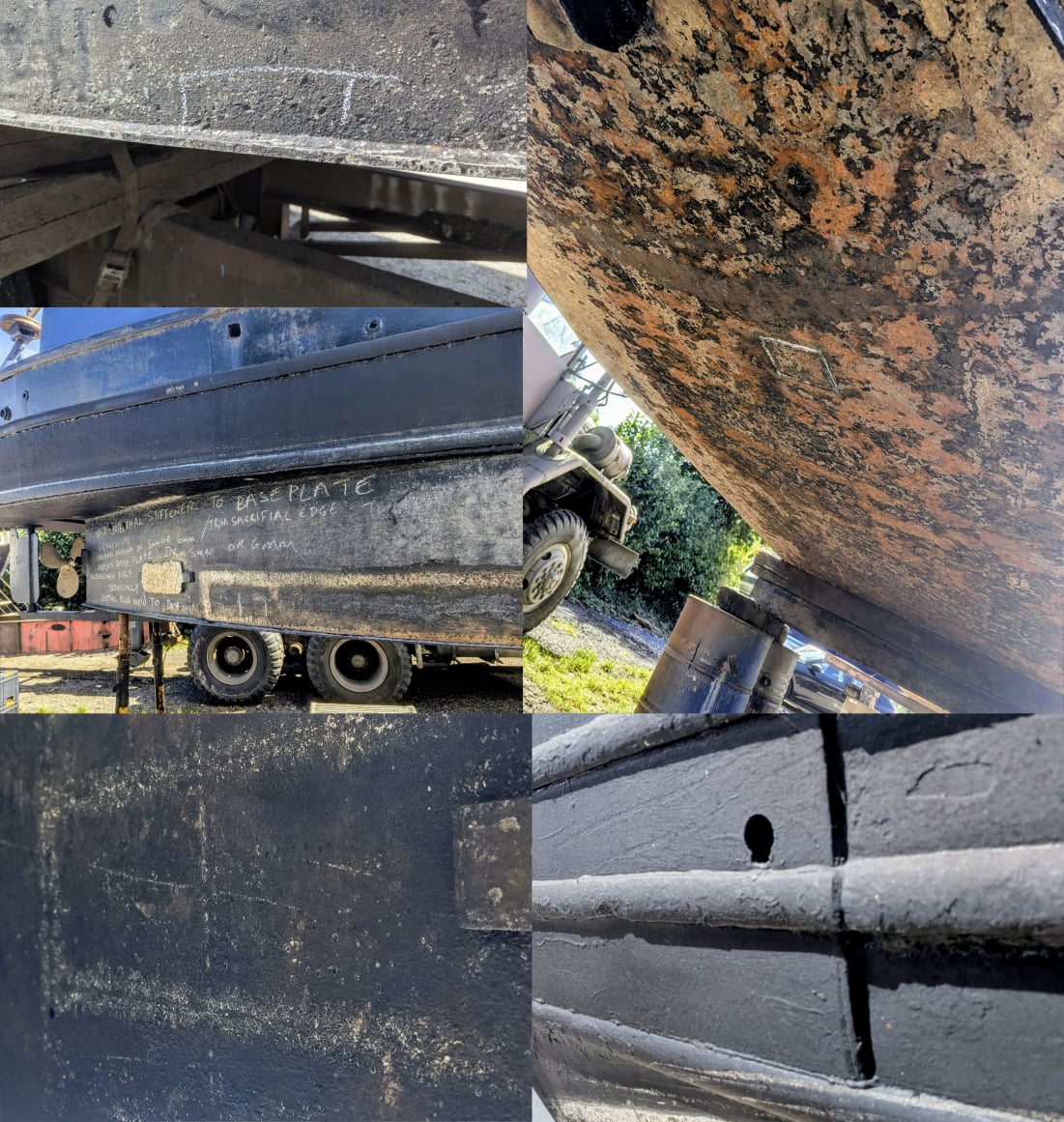
    Extensive gauging is performed across the stem bar, forward swims, uxter plate, and counter plates to identify thinning against the original build specification. Readings are taken on both the port and starboard sides at the following intervals:

    Base plate: Every metre longitudinally (off-centre) and 10cm in from the side.
    Side plating: Every metre above the chine, every half-metre along the waterline, and every metre above the waterline.
  2. Pitting and Corrosion Analysis
    Localised corrosion is measured using a needle gauge. Pitting density per square metre is assessed to determine the remaining life of the steel and the effectiveness of previous blacking or epoxy coatings.
  3. Structural Weld Scrutiny
    A visual and tactile inspection of the chime welds (joining base to side plates) and rubbing band attachments is conducted to identify undercut, erosion, or stress fractures. Previous over-plating or doubler plates are inspected at the edges to ensure no water entrapment or weld decay exists.
  4. Cathodic Protection Assessment
    Evaluation of anode depletion by mass at the bow, midships, and stern. Mounting studs and bracket welds are checked for structural security and electrical continuity to ensure the hull is protected from galvanic corrosion.
  5. Weed Hatch and Stern Gear Security
    The weed hatch trunking is inspected for internal weld decay and height above the static waterline. The lid seal, clamping mechanism.
Stern Gear and Propulsion Systems

This area of the survey assesses the reliability and alignment of the machinery, steering gear, and prop shaft.

  1. Steering Assembly
    Inspection of the rudder blade for "oil canning" (structural thinning), stock alignment, and horizontal play in the pintle and skeg bearings. The tiller "swan neck" connection is checked for securement and taper fit.
  2. Propulsion and Shafting
    Propeller blades are checked for chips, cracks, or "pink" de-zincification. The stern shaft is inspected for scoring at the bearing point, and the stern gland packing and greaser delivery pipe are verified for effective lubrication and sealing.
  3. Engine Mounting and Alignment
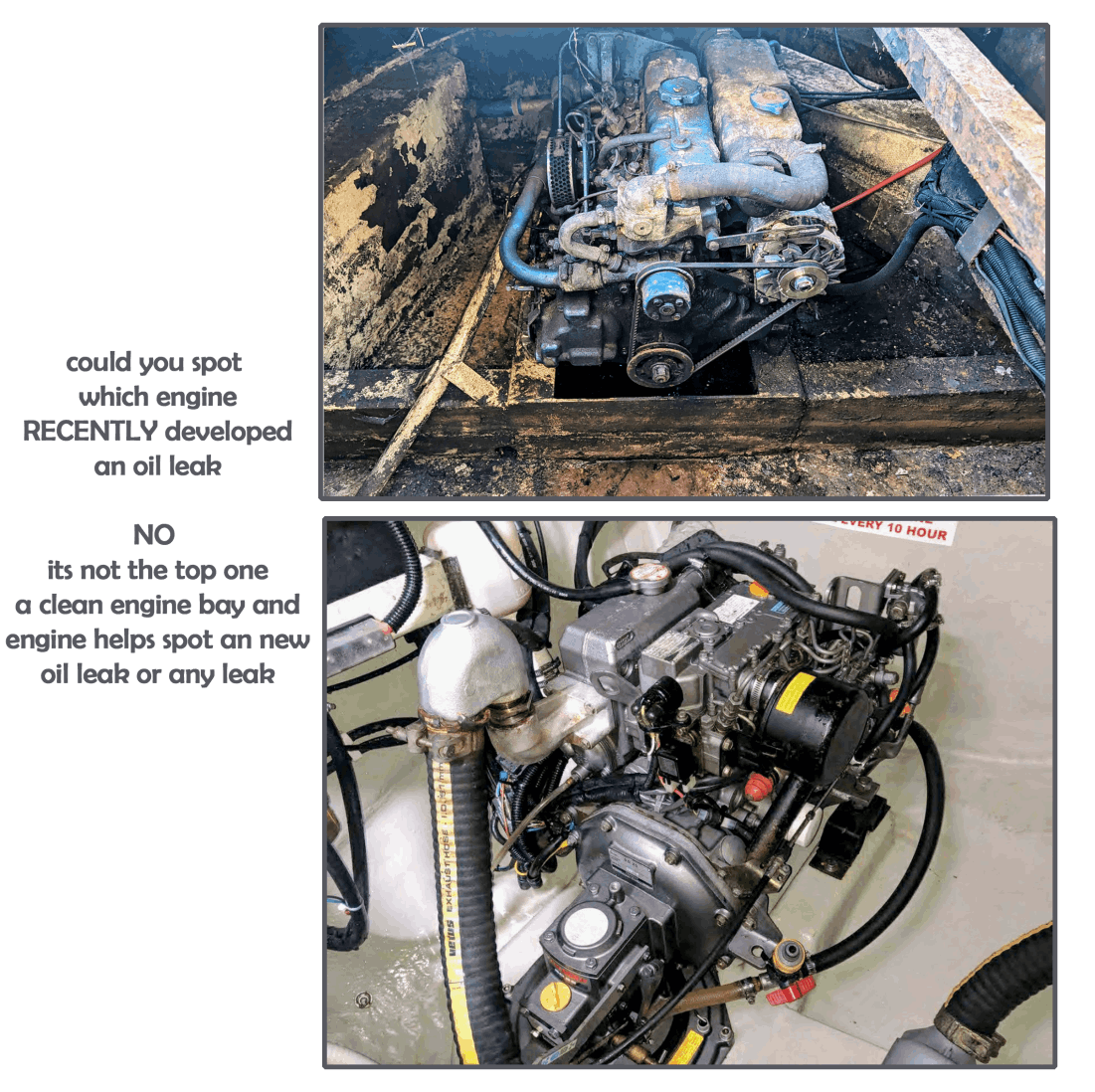
    The gap at the gearbox-to-shaft coupling is measured to detect misalignment. Engine mounts are inspected for compressed or oil-softened rubber, and all mounting bolts are checked for torque and security.
  4. Cooling and Exhaust System
    Keel cooling tanks (skin tanks) are evaluated for surface area relative to engine displacement. Exhaust manifolds, lagging, and silencer brackets are checked for soot leaks and heat insulation effectiveness.
SafeGuard Survey Engine Survey

Fuel and Liquid Petroleum Gas (LPG) Infrastructure

Strict adherence to safety standards is required to mitigate fire and explosion risks through rigorous leak detection and material verification.

  1. LPG Tightness and Safety
    A timed pressure-drop test or bubble-tester audit is performed. Every gas-burning appliance is checked for Flame Failure Devices (FFDs), and gas locker drains are verified for diameter and height above the waterline.
  2. LPG Component Age and Material
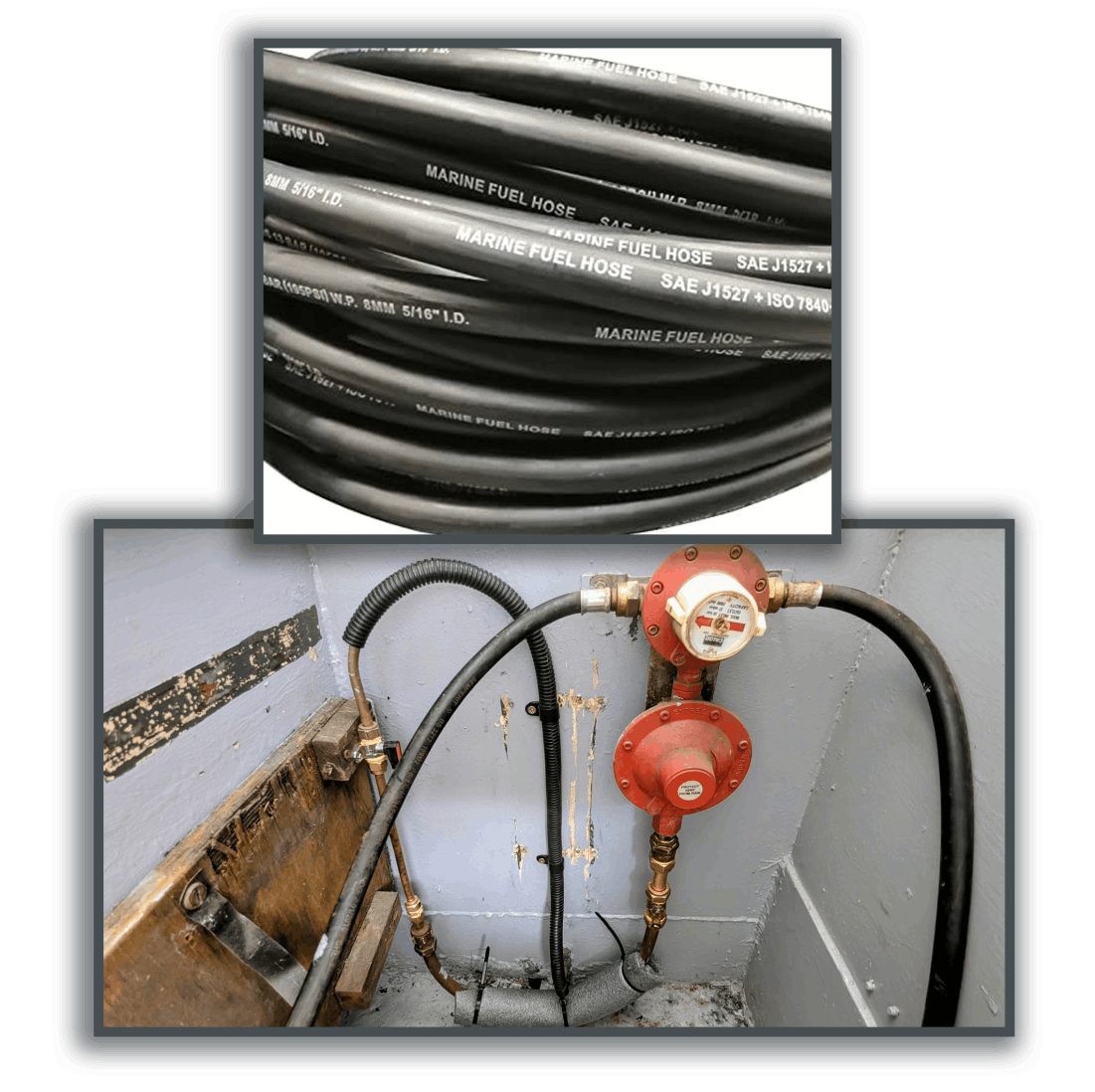
    Regulators and high-pressure "pigtail" hoses are checked against the 10-year lifespan. All pipework is inspected for appropriate support (every 500mm) and the use of bulkhead grommets to prevent abrasion.
  3. Fuel Delivery and Containment
    Diesel lines are checked for BS EN ISO 7840 fire rating and support every 300mm. The primary sedimenter and secondary filters can be inspected for water ingress or microbial contamination (diesel bug) if the fuel system appears suspect.

Electrical Infrastructure (DC and AC)

The electrical audit focuses on circuit protection and the prevention of hull-wasting galvanic currents.

  1. DC Power Management
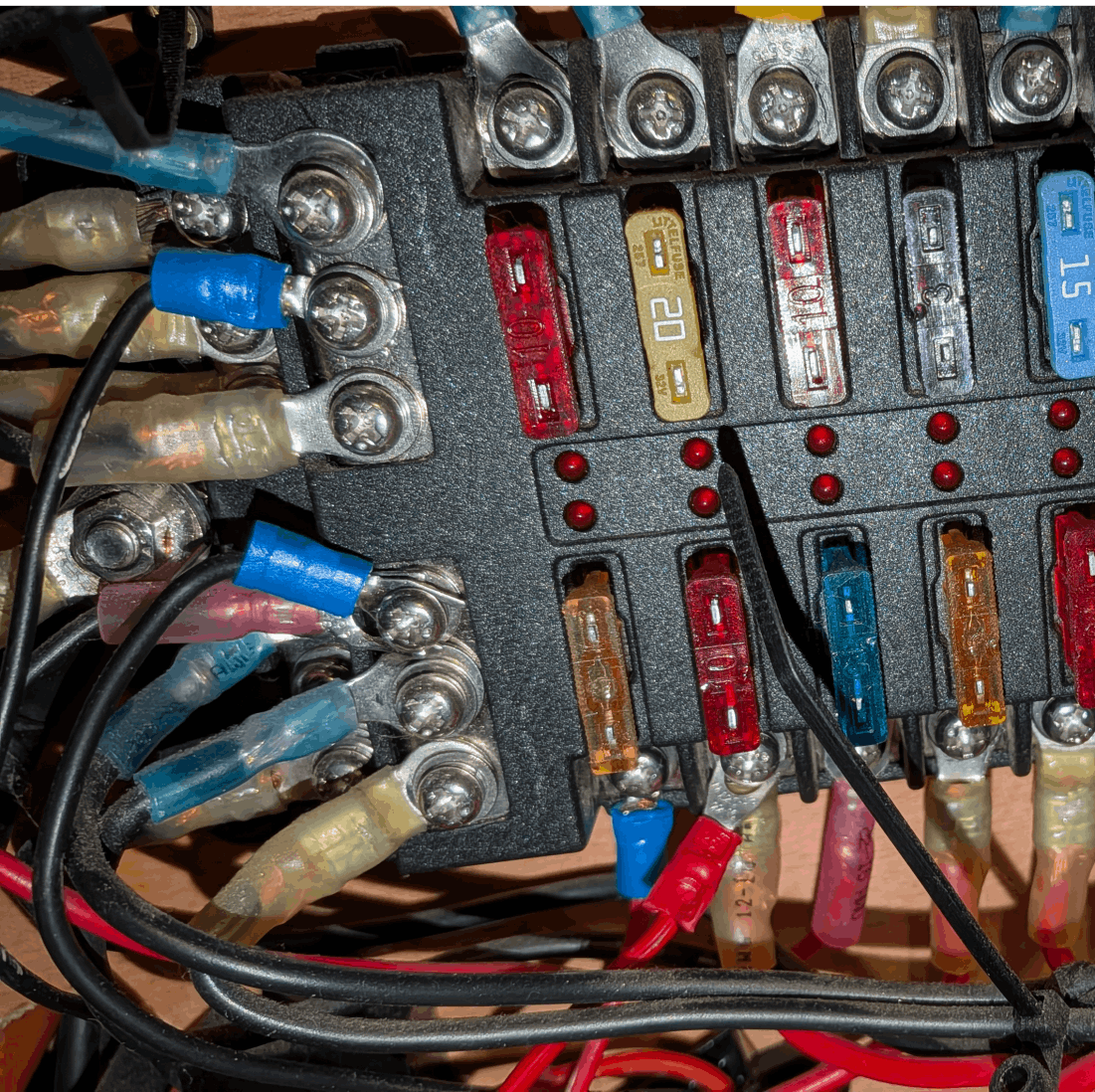
    Battery banks are checked for securement, terminal oxidation, and ventilation. Wiring is inspected for support, insulation integrity, and appropriate fuse ratings on high-draw circuits like inverters or bow thrusters.
  2. AC Safety Systems
    240V shore power inlets are checked for scorched pins. Every internal socket is tested for polarity and earthing. A trip test of the Residual Current Device (RCD) is performed to ensure user safety.
  3. Galvanic Protection
    The presence and functionality of a galvanic isolator or isolation transformer are verified to prevent shore-side earth leakage from accelerating hull corrosion.

Plumbing, Sanitation and Internal Systems

  1. Skin Fitting Heights
    All waste outlets (sinks, showers, basins) are measured against the waterline. Outlets positioned too low pose a risk of water ingress during heeling or heavy loading.
  2. Plumbing
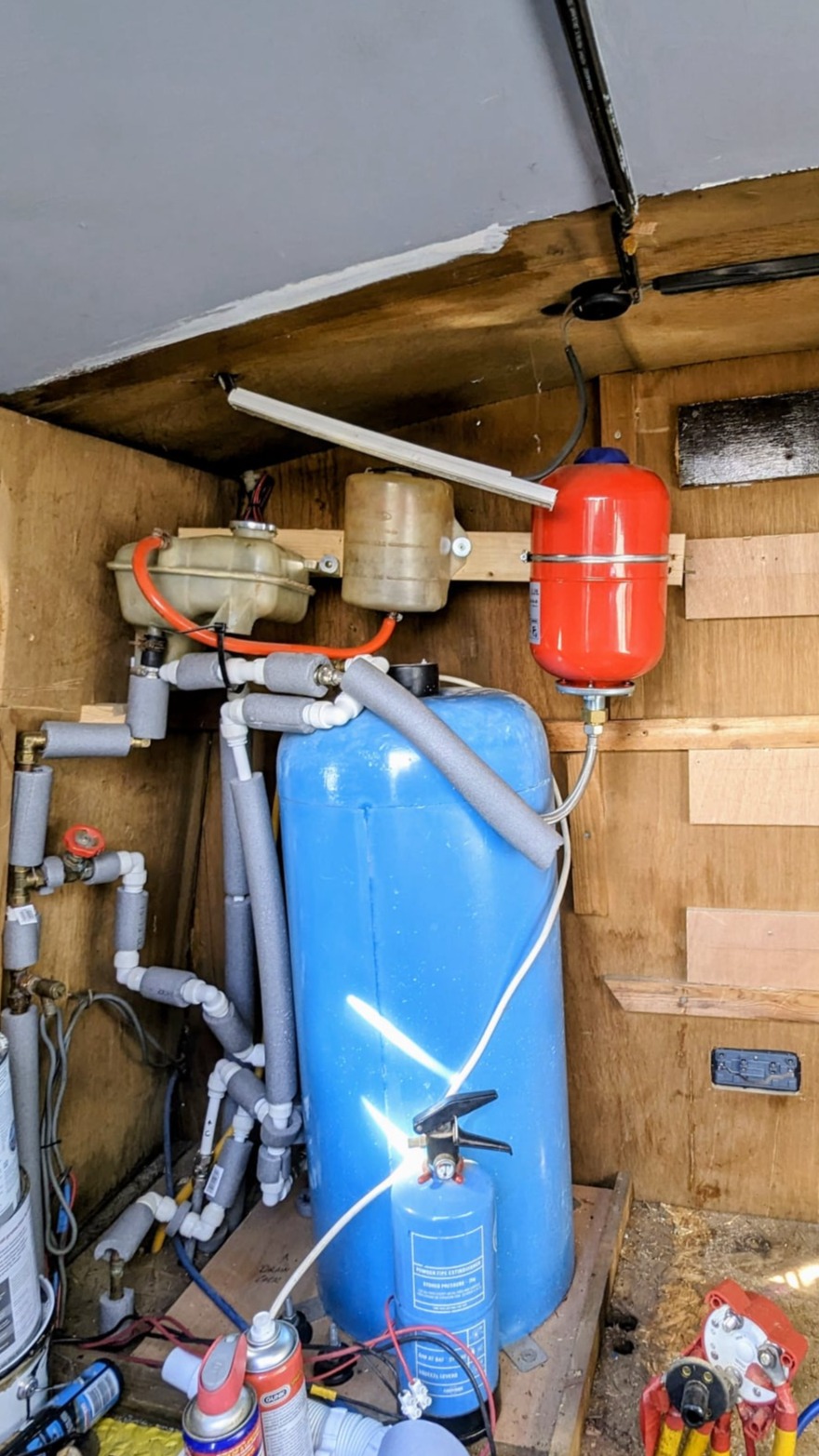
    The fresh water pump is checked for "cycling", indicating hidden leaks. The accumulator tank and calorifier (hot water tank) are inspected for structural integrity and Pressure Relief Valve (PRV) functionality.
  3. Sanitation Integrity
    Black water tanks and pump-out fittings are checked for securement, "Waste" labelling, and breather blockages.

Heating, Ventilation, and Internal Fit-out

  1. Solid Fuel Stove Safety
    Measurement of hearth thickness (12mm minimum) and air gaps between the stove and bulkheads. Flue pipes are checked for "thinning" or fire cement failure at the roof collar.
  2. Ventilation Calculations
    Total fixed high-level and low-level ventilation (mushroom and louvre vents) is calculated and cross-referenced against the vessel's LPG load to ensure safe air exchange.
  3. Moisture Mapping
    Moisture meters are used on timber linings around windows, doors, and side hatches to identify hidden leaks or "cold bridging" where condensation may be rotting the woodwork from the reverse side. A thermal camera is also used to determine "cold bridging".

Safety, Legal, and Compliance

  1. BSS and RCR Audit
    Verification of the Boat Safety Scheme certificate and, for vessels built after 1996, the Recreational Craft Regulations (RCR) Declaration of Conformity.
  2. Safety Equipment
    Fire extinguishers are checked for 5A/34B ratings and service dates. Smoke and Carbon Monoxide alarms are tested for placement and sensor functionality.
  3. Title and Ownership
    Review of the Hull Identification Number (HIN), Bill of Sale history, and VAT status to verify a clear chain of title.

© Copyright 2026 SafeGuard Survey - All Rights Reserved
Terms & Conditions