What is a Survey?
A BSS Examination is not a condition survey or a prepurchase survey etc, nor does it certify that a vessel is seaworthy or structurally sound. The BSS strictly assesses third-party and environmental risks: specifically, the prevention of fire, explosions, and pollution. It focuses myopically on gas installation integrity, electrical distribution safety, fuel storage containment, and cabin ventilation.
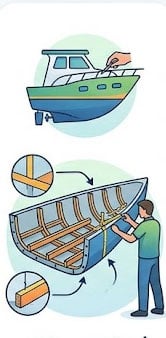
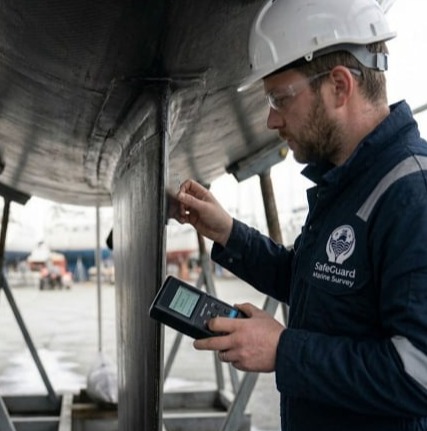
Crucially, a BSS examiner does not assess the structural integrity of the vessel's hull or the mechanical reliability of its propulsion systems. A steel narrowboat or a Thames cruiser could possess a perfectly valid, newly issued four-year BSS certificate while simultaneously harbouring dangerously thin 2mm hull plating, catastrophically failing engine mounts, severe GRP osmosis, or a structurally compromised keel matrix.
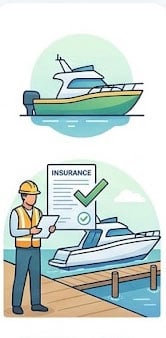
While the BSS is legally required for navigation licenses, a Full Condition Survey is strictly mandated by marine underwriters and financial institutions. Almost all major UK marine insurance providers demand a comprehensive, out-of-water structural survey for vessels once they reach 20 to 25 years of age before binding or renewing coverage, and subsequently require updated renewal surveys every 5 to 7 years thereafter